Foot and Ankle Pain Treatment in North Vancouver
Why does my foot or ankle hurt?
Your feet carry the load of your entire body every time you stand and walk. Pain can develop in the heel, arch, toes, ankle or surrounding muscles and tendons.
- It can follow an injury, build gradually with increased activity, or appear without an obvious event.
- Sometimes the problem is local to the foot or ankle.
- Sometimes the way the foot moves and loads affects what happens at the knee, hip or lower back.
At Scandinavian Clinic, Eva Andersson, RMT, looks at how your foot and ankle move and load, together with the areas that may be contributing to the problem. Where custom orthotics appear appropriate, she works with a professional pedorthist to have them assessed, fitted and adjusted properly.
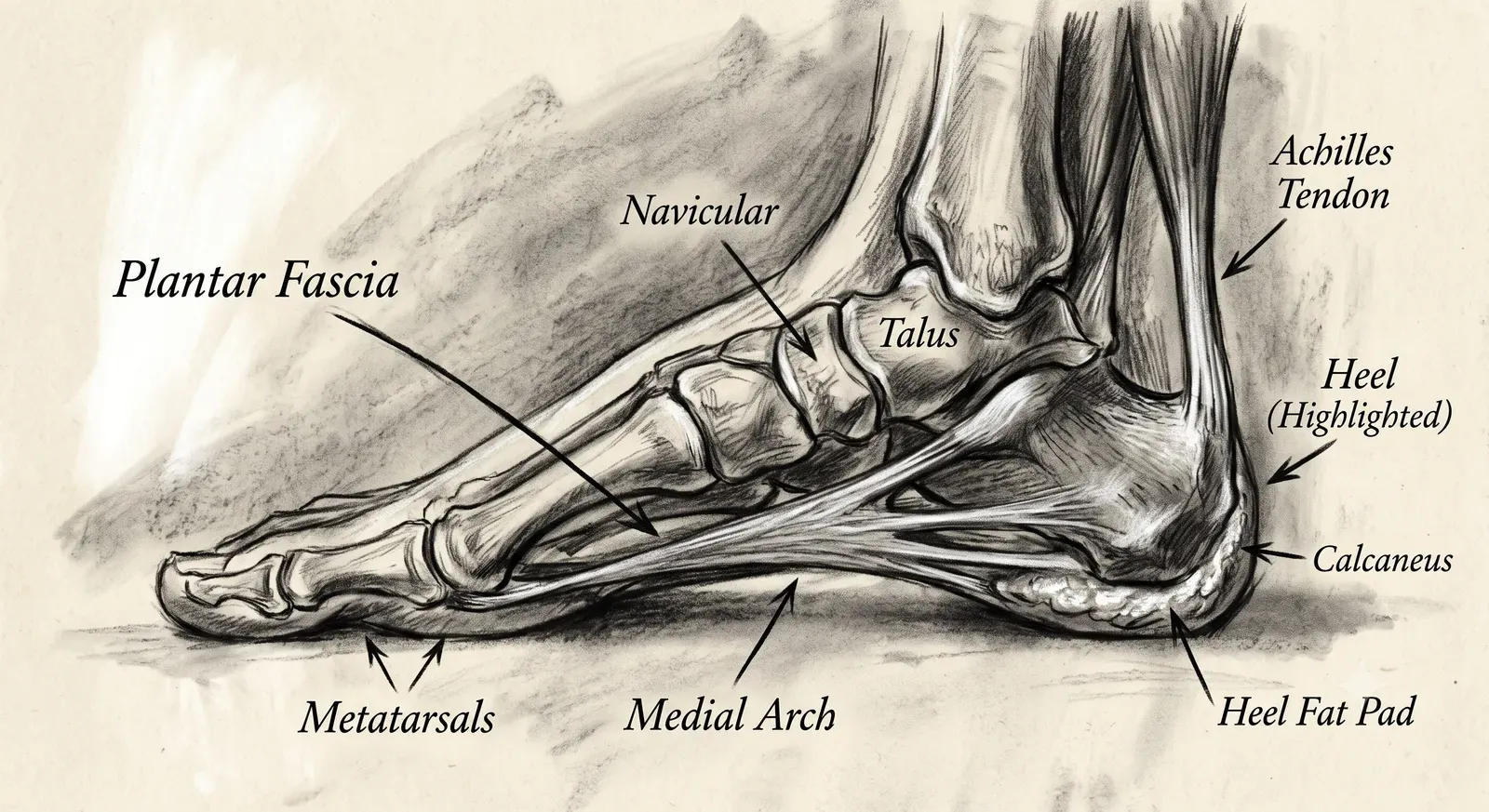
What can cause foot and ankle pain?
Foot and ankle pain has many possible causes. Some common presentations include:
Heel pain
Plantar fasciitis is one of the most common causes of heel pain. The typical pattern is pain with the first steps after getting out of bed or after sitting, often easing as you move and returning after prolonged standing or activity. The plantar fascia is a strong band of connective tissue supporting the arch of the foot.
Despite the name, plantar fasciitis is not simply an inflammation problem. Changes in the tissue associated with repeated loading are an important part of the condition. Treatment therefore often involves gradually restoring the foot's ability to tolerate load rather than simply trying to eliminate inflammation.
Ankle pain after an injury
Sprains and other injuries can leave the ankle painful or unstable even after the initial injury has settled. The rehabilitation may involve restoring movement, strength, balance and confidence in loading the ankle. The appropriate progression depends on the injury and how it is recovering.
Pain in the arch or forefoot
Pain in the arch or the front of the foot can have several causes. Footwear, activity level, load distribution, joint mobility and the way the foot functions during walking can all be relevant. The location and behaviour of the pain help determine what needs to be examined.
Pain that keeps returning
When assessing foot or ankle pain, the painful area is always part of the examination. At the same time, it can be useful to look at how the foot and ankle work together with the knee, hip and rest of the movement system.
Activity level, footwear, mobility, strength, balance and the way the foot handles repeated loading may all be relevant. The aim is to identify the factors that are actually relevant to your particular problem.
Your foot is part of a larger movement system
Your foot is the first part of the body that interacts with the ground when you walk or run. How it loads can influence movement above it.
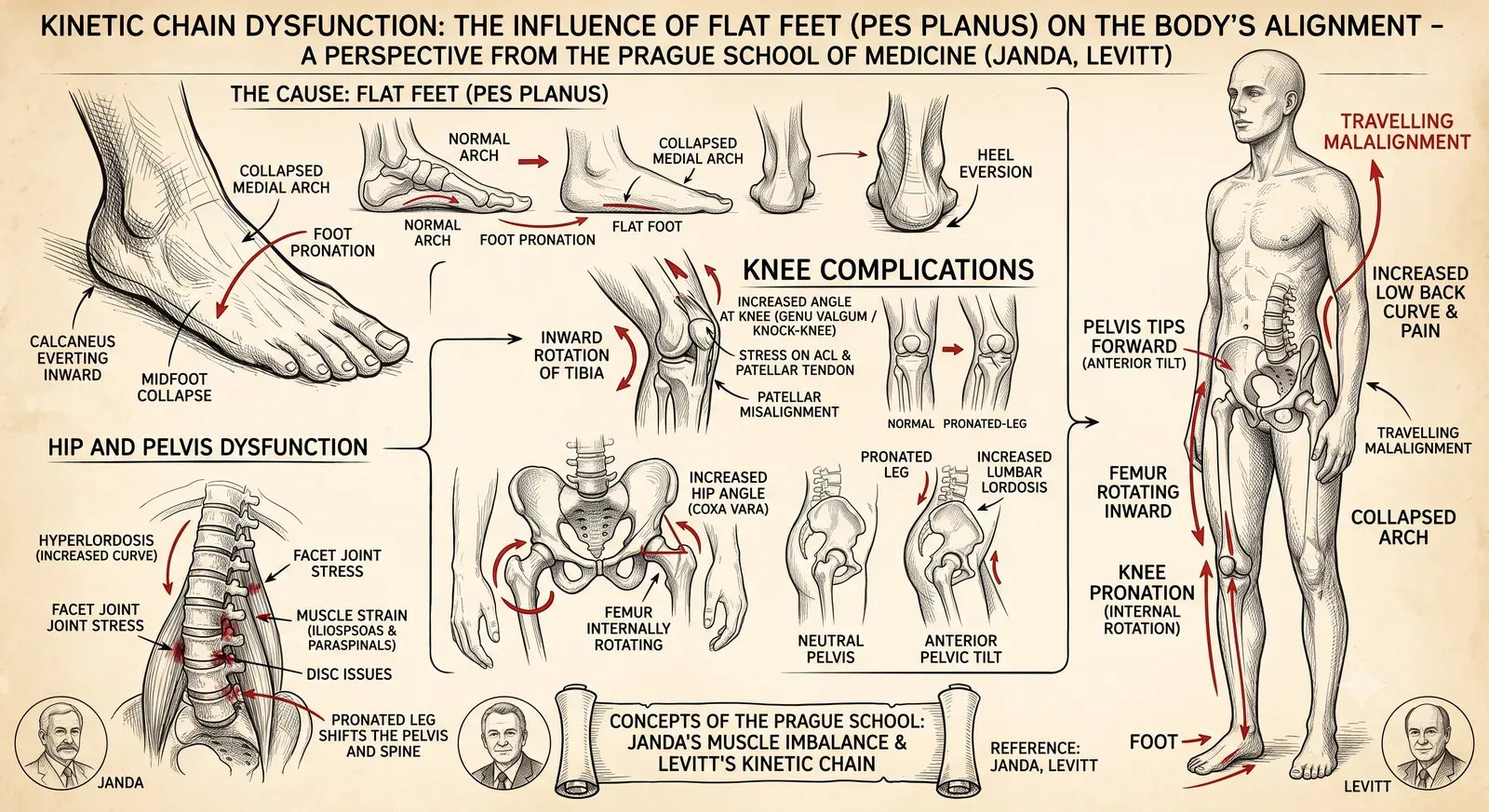
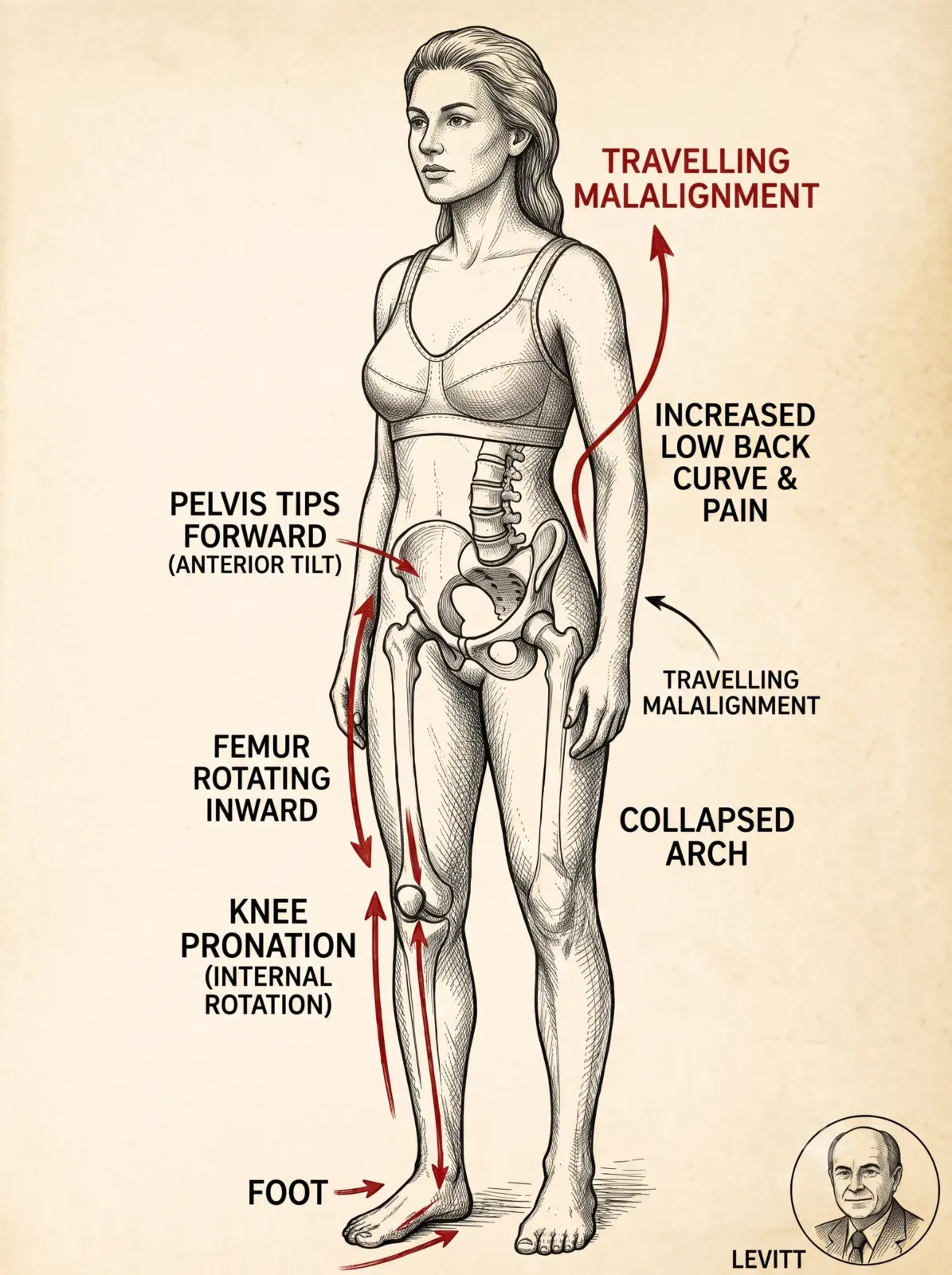
For example, changes in foot motion can alter how the lower leg and knee move, which can in turn influence the hip and pelvis. This is one reason a foot assessment may include the knee, hip or lower back even when those areas don't hurt. The relationship is not one-way and not automatic.
Does my foot shape tell you what's wrong?
Not necessarily. People naturally have different foot shapes. Some have low arches, some high arches, and many fall somewhere between. A particular foot shape does not automatically mean the foot is dysfunctional or needs correction.
What matters is how the foot behaves during movement and whether that behaviour is relevant to your symptoms. That's why assessment doesn't stop at looking at the foot while you're standing still. We also want to understand how it functions when you walk, balance and load it.
What does a proper foot assessment involve?
Depending on your symptoms, it may include:
Foot and ankle mobility
Are the joints moving sufficiently, and are there restrictions that affect how you load the foot? How does the foot and arch behave while standing?
Movement
What happens when you walk, step, squat or perform other relevant movements?
Strength and endurance
Can the muscles of the foot, ankle and lower leg tolerate the demands you're placing on them?
Balance and sensorimotor control
Can the foot provide the sensory information and control needed for stable movement?
The rest of the movement chain
If you also have knee, hip or back symptoms, do the foot and ankle appear to be contributing to how the whole system is working?
What can help foot and ankle pain?
Treatment depends on what the assessment finds.
Massage and manual treatment
Massage can be useful for some foot and ankle problems.
Exercise and progressive loading
Many foot and ankle problems respond well to appropriate exercise.
Depending on the presentation, this may include:
- calf strengthening
- foot and arch strengthening
- ankle mobility
- balance exercises
- gradual tendon or plantar-fascia loading
- rebuilding tolerance for walking, running or other activities
Footwear
Footwear can make a substantial difference.
A shoe that provides appropriate cushioning, support and room for the foot is important.
The best shoe depends on the problem and the person.
There is no single"correct" shoe for everyone.
When can orthotics help?
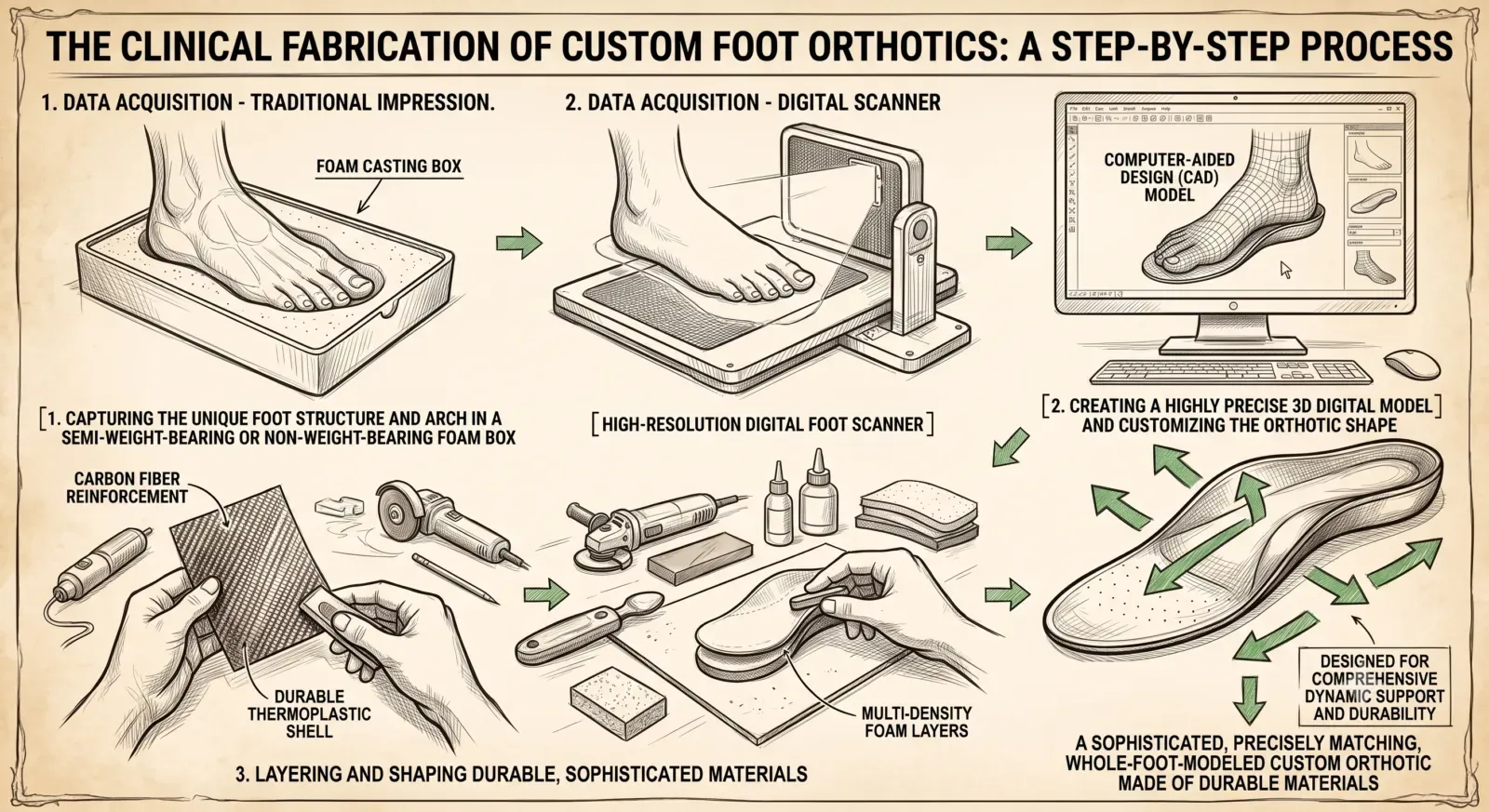
Orthotics can change how forces are distributed through the foot.
For some people, this can reduce pain and make walking or activity more comfortable.
Orthotics are prescribed and may be useful when foot mechanics are contributing to symptoms or affecting movement elsewhere. The decision is based on the whole movement pattern—not the shape of the foot alone.
The assessment should determine which situation you're in.
Custom orthotics at Scandinavian Clinic
When custom orthotics appear appropriate, Scandinavian Clinic works with Markus Poerschke of Salt Spring Footprints, a German-trained pedorthist.
This allows the assessment and treatment of the foot to be combined with professional orthotic expertise.
Frequently Asked Questions
Why does my heel hurt when I first get out of bed?
This is a common pattern with plantar fasciitis. The plantar fascia is loaded after a period of rest, which can make the first few steps particularly painful. The pain often eases as you move and may return after prolonged standing or activity.
Do I need orthotics for plantar fasciitis?
Not necessarily. Exercise, activity modification and appropriate footwear are important components of treatment. Orthotics can be useful for some people, particularly when foot loading appears to be contributing to their symptoms. The assessment helps determine whether they are likely to add value.
Can massage help plantar fasciitis?
It can help some people. Massage and manual treatment may reduce associated muscle tension and discomfort and can make movement easier. For most cases, it is combined with appropriate loading and other measures.
Can flat feet cause knee or hip pain?
They can be one contributing factor, but flat feet do not automatically cause pain elsewhere. What matters is how the foot functions and whether that function appears relevant to the person's symptoms.
Will orthotics fix my back pain?
There isn't a simple answer. There is a plausible biomechanical relationship between foot mechanics and the rest of the body, but evidence that orthotics reliably improve low-back pain is limited. If back pain isn't resolving, looking at the feet can be worthwhile as part of a broader assessment, but orthotics should not be presented as an automatic solution.
Do I need custom orthotics?
Not necessarily. Some people do well with appropriate footwear or a commercially available insert. Custom orthotics may be useful when the assessment identifies a reason for more specific support or correction.
Why didn't my previous orthotics help?
There are several possibilities. They may not have been appropriate for your particular problem, may not have fitted well, may have needed adjustment, or may have been used without addressing other contributing factors. A proper assessment and follow-up can help determine whether a different approach would be worthwhile.
When should I see someone about foot pain?
Consider an assessment if pain persists, keeps returning, limits walking or exercise, or hasn't improved with sensible self-care.
Schedule Your Visit
Book an assessment for foot or ankle pain
Whether you have stubborn heel pain, an ankle problem after an injury, recurring foot pain, or a knee, hip or back problem where foot mechanics may be relevant, an assessment can help clarify what is contributing.
Book Your AssessmentSuite 202-101 West 16th Street, North Vancouver · (604) 926-4883
References
- Khamis S, Yizhar Z. Effect of feet hyperpronation on pelvic alignment in a standing position. Gait & Posture. 2007;25(1):127–134.
- Menz HB, Dufour AB, Riskowski JL, et al. Association of foot posture and function with lower extremity pain (Framingham Foot Study). 2013.
- Gross KD, Felson DT, Niu J, et al. Flat feet are associated with knee pain and cartilage damage in older adults. Arthritis Care & Research. 2011.
- Foot orthoses in the treatment of medial knee osteoarthritis (systematic review). 2020.
- Chuter VH, Spink MJ, Searle A, Robinson AH. Foot orthotics for low back pain: the state of our understanding. The Foot. 2014.
- Randomised controlled trial: prefabricated foot orthoses for chronic non-specific low back pain (no significant benefit). 2023.
- Wainner RS, Whitman JM, Cleland JA, Flynn TW. Regional interdependence: a musculoskeletal examination model whose time has come. Journal of Orthopaedic & Sports Physical Therapy. 2007;37(11):658–660.
- Sueki DG, Cleland JA, Wainner RS. A regional interdependence model of musculoskeletal dysfunction: research, mechanisms, and clinical implications. Journal of Manual & Manipulative Therapy. 2013;21(2):90–102.
- Geraci MC, Brown W. Evidence-based treatment of hip and pelvic injuries in runners. Physical Medicine and Rehabilitation Clinics of North America. 2005;16(3):711–747.
- Page P, Frank C, Lardner R. Assessment and Treatment of Muscle Imbalance: The Janda Approach (sensorimotor training; chain reactions; the foot's afferent role). Human Kinetics.
Written by Eva Andersson, RMT · Last updated August 2026